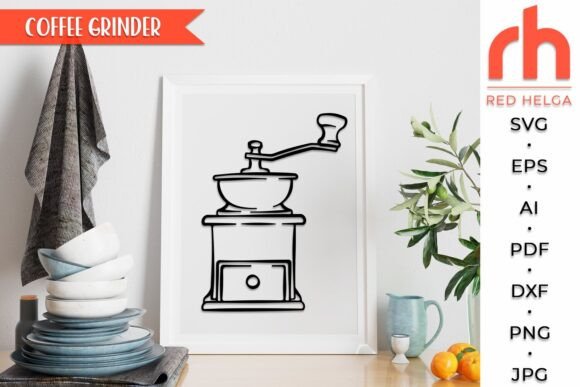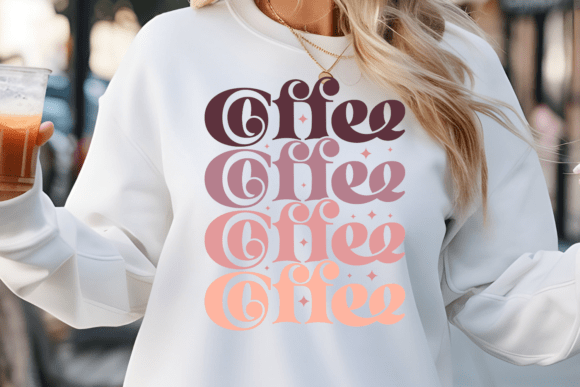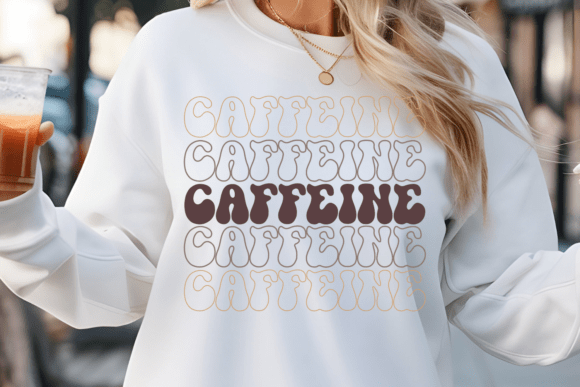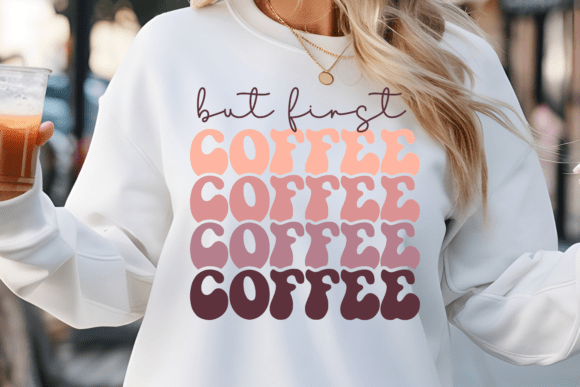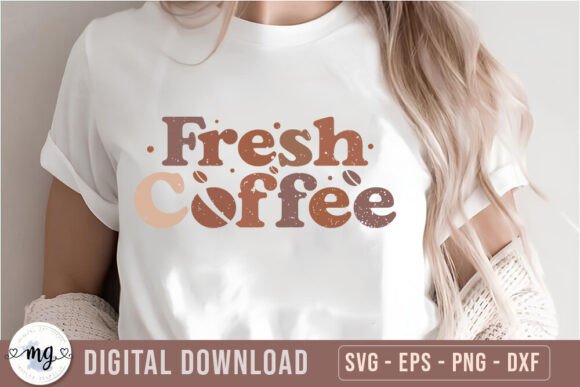
Retro Coffee SVG - Fresh Coffee
As a designer who spends more time judging stitch density than drinking the actual beverage, I approach every new digital asset with a healthy dose of skepticism. The market is flooded with clip art that looks charming on screen but falls apart under the needle. That is why when I pulled up Retro Coffee SVG - Fresh Coffee, I didn’t just look at the preview image; I looked at how it would translate from a vector graphic into a tangible, stitched reality. This isn’t just about aesthetics; it is about structural integrity, marketability, and whether a design holds up in the real world of small-batch production.
The immediate impression of this file is one of nostalgic warmth. In a sea of minimalist modernism, there is something inherently comforting about a retro aesthetic. For the craft business owner or the Etsy seller, this mood is currency. It suggests comfort, morning rituals, and cozy downtime. But does the visual personality survive the transition to thread? Let’s break down how this embroidery project performs when we move beyond the screen and into the hoop.
The First Stitch: Visual Translation and Mood
When evaluating any machine embroidery design, the first thing I check is the clarity of the silhouette. Retro designs often rely on thick lines and bold shapes, which are generally friendly for stitching. Retro Coffee SVG - Fresh Coffee appears to lean into this strength. The theme is straightforward—a coffee cup rendered in a vintage style—which means fewer complex curves and a higher likelihood of clean edges. This is crucial for maintaining the professionalism of the final piece. A blurry outline on a tote bag screams "amateur," whereas a crisp, well-defined shape signals quality.
The layout feels balanced, making it versatile for various applications. Whether you are placing this on the chest of a sweatshirt embroidery piece or centering it on a kitchen towel, the composition likely anchors the garment without overwhelming the fabric. For the digital product seller, this versatility is key. It allows you to create multiple listings from a single asset, increasing your return on effort. However, the charm of the retro vibe also demands that the stitching reflects that era—think warm earth tones, mustard yellows, or deep browns rather than neon synthetics.
Real-World Application: Where This Design Shines
I recently considered using a similar asset for a custom order involving personalized gifts for a local coffee shop chain. The client wanted something that felt handmade but looked polished enough for retail display. Here is where Retro Coffee SVG - Fresh Coffee fits perfectly into specific categories of handmade products.
- Custom Apparel: On a heavyweight cotton sweatshirt or a structured cap, this design provides a focal point that doesn’t require excessive detail to read. The retro style pairs naturally with denim or heather grey fabrics, creating an instant custom apparel look that appeals to the everyday consumer.
- Baby Embroidery: There is a growing market for gender-neutral baby items. A soft, retro coffee cup motif works surprisingly well for nursery decor or baby blankets. It avoids the cliché of generic animals while still feeling playful. When used as a personalized gift, adding a name in a complementary font can elevate this from a simple graphic to a keepsake.
- Kitchen and Home Goods: Tea towels and aprons are high-volume items in the craft fair circuit. Because these items undergo frequent washing, the durability of the design matters. A well-executed fill stitch or satin stitch on a coffee motif resonates with the intended use of the product. It creates a cohesive brand story for the user.
- Embroidered Patches: If you plan to sell these as detachable patches, the strong outline of the retro style ensures visibility even when pinned to a backpack or jean jacket. This adds value to your small shop product line, offering customers a way to customize their own gear.
Critical Considerations for Execution
While the concept is strong, execution is where many designers stumble. Not all embroidery files are created equal, and even a great vector can fail if the digitization (or manual conversion) is poor. Here is what you need to watch out for when integrating this design into your workflow.
Hoop Size and Detail Level: Always verify the recommended hoop size before starting. If the design includes tiny text or intricate swirls typical of some retro fonts, these elements may disappear or blur if placed in a smaller hoop. For best results, ensure the design scales appropriately. If you are working with a limited machine setup, test the smallest size you intend to produce first.
Fabric Texture and Stability: The choice of fabric dramatically affects the final look. On a smooth cotton canvas, the stitch density will appear crisp. However, on a textured fabric like a chunky knit sweater or a rough burlap tote, the stitches may sink in or look uneven. In such cases, using a proper stabilizer is non-negotiable. A tear-away stabilizer might work for light projects, but a cut-away is safer for garments that will be stretched or washed frequently.
Thread Color Contrast: This cannot be overstated. A retro design often relies on contrast to define its shape. If you are stitching on dark fabric, ensure your thread colors pop. Conversely, light threads on light fabric can look muddy. I recommend creating a black-and-white mockup of your design to check contrast levels before committing to expensive specialty threads.
Commercial Viability and Brand Consistency
For the creative entrepreneur, consistency builds trust. Using a cohesive set of design assets helps establish a recognizable brand identity. Retro Coffee SVG - Fresh Coffee has the potential to be a staple in a seasonal collection, particularly around autumn or winter holidays. It fits seamlessly into themes of warmth and comfort.
However, before you start mass-producing, you must address licensing. The description mentions receiving EPS and SVG files, which are excellent for vector editing, but you must confirm if these files include the necessary rights for commercial embroidery. Many digital embroidery files come with restrictions on how many finished items you can sell. Violating these terms can jeopardize your reputation and lead to legal issues. Always read the fine print.
Practical Designer Notes for Success
- Test on Scrap Fabric: Never run a full production run without a test stitch. Check how the applique design elements (if applicable) layer and how the satin stitch handles corners.
- Inspect Small Details: Zoom in on the digital file. Are there overlapping paths that might cause the machine to jump unnecessarily? Clean up any unnecessary nodes in your software to ensure smooth stitching.
- Compare Backgrounds: Test the design against both light and dark backgrounds in your mockup software. This helps you anticipate how the final product will photograph for your online store.
- Check Stitch Density: Too much density can make a garment stiff and uncomfortable. Ensure the fill stitch areas are optimized for breathability, especially for wearable items like hats and shirts.
In conclusion, Retro Coffee SVG - Fresh Coffee offers a solid foundation for a variety of embroidery project types. Its nostalgic appeal and clear structure make it a practical choice for apparel decorators and makers looking to add cozy, high-quality items to their inventory. By paying attention to fabric choice, stabilizer use, and licensing details, you can transform this digital asset into a beloved physical product that customers will cherish. It is not just a picture of coffee; it is a promise of a good morning, stitched into existence.