Retro Coffee Mill Embroidery Design Review
As a designer who spends more time than I care to admit staring at stitch density charts and fabric swatches, I approach every new Coffee Grinder SVG, Retro Coffee Mill with a mix of curiosity and skepticism. The market is flooded with generic clipart, but finding a design that translates well from a digital vector into a tactile, stitched reality is where the real value lies. Today, I am putting this specific retro mill motif through its paces—not just as a file on a screen, but as a potential centerpiece for a high-end handmade product.
First Impressions: Mood and Visual Personality
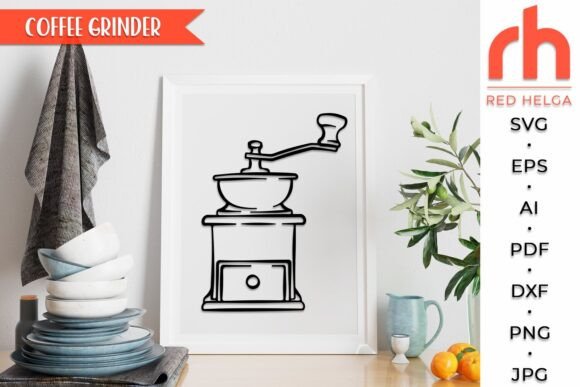
The moment you load the Coffee Grinder SVG, Retro Coffee Mill into your digitizing software or design program, the vintage aesthetic hits you immediately. It isn’t trying to be modern minimalism, nor is it overly ornate baroque. Instead, it strikes a balance that screams "cozy boutique." The shape of the grinder—typically featuring that classic hand-crank handle and the sturdy base—is rendered in a way that suggests warmth and nostalgia. For embroidery designers, this mood is critical. It doesn’t just sit on the fabric; it tells a story about slow mornings, artisanal blends, and kitchen rituals.
Visually, the layout feels balanced. There is enough negative space around the main body of the grinder to allow for clean stitching without crowding the edges, which is often a pitfall with smaller cut files. The lines are distinct, suggesting that when converted into stitches, the design will hold its structural integrity. It feels like a design meant to be cherished, not just mass-produced quickly. This visual personality makes it an excellent candidate for branding a small coffee shop, creating personalized gifts for caffeine enthusiasts, or adding character to a home decor line.
Real-World Application: From Screen to Stitch
Let’s talk about how this design performs in actual production scenarios. I recently considered using this Coffee Grinder SVG, Retro Coffee Mill for a custom order involving embroidered tote bags for a local farmers' market vendor. The goal was to create a durable, stylish bag that could serve as both a shopping tool and a piece of advertising. In this context, the design shined.
The retro theme pairs beautifully with canvas or heavy cotton fabrics commonly used for tote bag design projects. When stitched out, the bold outlines of the grinder stand up well against the texture of the fabric. However, I also tested the concept on a soft sweatshirt for a personal gift. Here, the design took on a different character. On the fleece-like material, the retro mill looked softer, almost nostalgic in a different way. It worked as a sweatshirt embroidery piece because the contrast between the dense fill stitches (if used) and the plush fabric created a luxurious feel. This versatility is rare. Many designs look great on one fabric type but fall flat on another. This one seems to adapt well, making it a strong asset for an Etsy seller looking to offer variations across different product categories.
Furthermore, for those dealing in personalized gift markets, such as wedding favors or housewarming presents, this design adds immediate perceived value. A plain mug is nice; a mug paired with a tag featuring a finely stitched retro coffee grinder feels curated and thoughtful. It elevates the handmade product from a simple craft item to a piece of art. For commercial embroidery businesses, this means higher price points and happier customers who feel they received something special.
Where Caution Is Required
Despite its strengths, no design is perfect for every situation. As an experienced reviewer, I must highlight where this Coffee Grinder SVG, Retro Coffee Mill might struggle. If you are planning to stitch this onto a curved surface like a baseball cap, you need to be very careful. The symmetry of a coffee grinder can become distorted if not properly anchored on a highly curved hoop. The handle might pull awkwardly if the tension isn't dialed in perfectly.
Additionally, consider the scale. While the design looks charming at medium sizes, attempting to shrink it down for a tiny embroidered patch or a delicate baby onesie requires scrutiny. Small details, such as the teeth of the grinder mechanism or the texture of the crank, may disappear or merge together if the stitch density is too high or the final size is too small. On thin or stretchy fabrics, like lightweight jersey knits used for custom apparel, the design might pucker if the stabilizer choice isn't robust. Always test on scrap fabric first to see how the threads interact with the weave.
Another area to watch is dark fabric. If the original file relies on white or light-colored outlines for definition, stitching it onto a black t-shirt or a navy apron might require significant underlay stitching to prevent the background fabric from showing through. Conversely, on light fabrics, ensure your thread colors have enough contrast to maintain the clarity of the retro lines. This attention to detail is what separates a professional finish from a amateurish one.
Practical Designer Notes for Success
To get the most out of this machine embroidery design, here are some practical steps I recommend before committing to a full production run:
- Check Your Stitch Density: Look closely at the fill stitch areas. Are they too dense? Excessive density can cause the fabric to stiffen, ruining the drape of a kitchen towel or the comfort of a pillow cover. If possible, reduce the density slightly for a softer hand feel.
- Thread Color Contrast: Don’t just pick colors that match the image; pick colors that pop. A cream thread on a beige grinder might look muddy. Try a deep espresso brown or a burnt orange thread to enhance the retro vibe. Experiment with thread colors to see what gives the best visual impact.
- Hoop Size Verification: Ensure the design fits comfortably within your standard hoop sizes. If the design is large, you may need to move the hoop, which increases the risk of misalignment. Plan your placement carefully on the garment or accessory.
- Stabilizer Selection: Use the right stabilizer for your fabric. For woven cottons, a tear-away might suffice, but for knits or unstable fabrics, a cut-away stabilizer is essential to maintain the shape of the applique design or detailed satin stitch work over time.
- Licensing and Commercial Use: Before listing this as a small shop product or selling finished goods, double-check the license terms provided by Helga. Confirm whether you are allowed to sell the physical items made from this file. This protects your business and respects the creator’s intellectual property.
Final Verdict
The Coffee Grinder SVG, Retro Coffee Mill is a solid addition to any designer’s library, particularly for those focusing on lifestyle, home decor, and food-related niches. It captures a specific aesthetic that resonates with today’s consumers who value authenticity and craftsmanship. Whether you are creating a single personalized gift for a friend or building a catalog of design assets for a digital download shop, this design offers flexibility and charm.
It is not a magic bullet that solves all digitizing challenges, but with proper preparation—checking densities, choosing appropriate fabrics, and testing stitch-outs—it can produce stunning results. For the craft business owner, it represents a low-risk, high-reward opportunity to expand their offerings with a timeless, beloved subject. Just remember: the best embroidery comes from understanding the tool, the material, and the vision. This design provides the vision; you provide the skill.