Retro Trousers SVG PNG DXF Review
As a designer who spends half the day staring at stitch density charts and the other half arguing with clients about thread choices, I don’t just look at a file and see pixels. I see tension, I see potential puckering, and I see whether a customer will actually wear the finished item. When I first pulled up Retro Trousers SVG PNG DXF, my initial reaction wasn’t about the file formats—it was about the vibe. It has that distinct, nostalgic energy that screams “vintage thrift store find” but packaged in a way that feels fresh for modern branding. But does it hold up when you actually put it under the needle? That is the real question.
The First Impression: Mood and Visual Personality
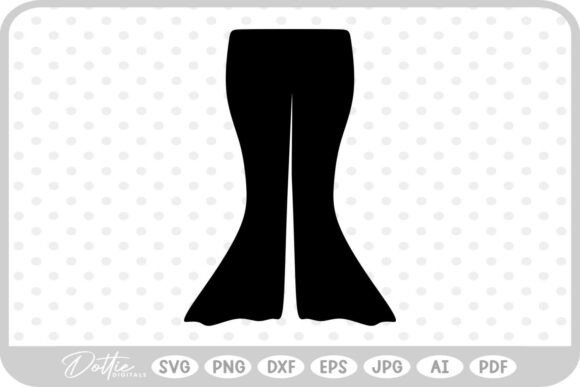
The moment you open the design assets, the retro aesthetic is undeniable. The lines are clean, the silhouette is recognizable, and the overall composition feels balanced. For those of us in the Crafts and Graphics spaces, visual personality is everything. A generic shape can be boring, but this design has character. It feels playful yet structured. It doesn’t scream for attention; it invites a closer look. This is crucial for embroidery because we often work on garments where the design needs to complement the fabric, not fight it. The layout suggests it could easily sit on the chest of a sweatshirt or center-front of a tote bag without overwhelming the wearer. It’s subtle enough for everyday wear but distinct enough to be noticed in a crowded craft fair booth.
Real-World Application: From Screen to Stitch
Let’s talk about how this translates to actual products. I recently had a project come across my desk involving custom embroidered patches for a small boutique clothing line. We were looking for something that screamed “streetwear” but remained approachable. Retro Trousers SVG PNG DXF fit the bill perfectly. The clean lines of the original vector translate well into digitized forms, assuming the digitizer understands negative space. When I mocked this up digitally, I imagined it on a heavyweight cotton canvas tote bag. The contrast would be sharp, especially if paired with a bold thread color against a neutral background.
However, the versatility doesn’t stop there. This design feels tailor-made for baby items. Imagine a soft, organic cotton onesie with this motif stitched in pastel threads. It’s adorable, but more importantly, it’s marketable. Parents love personalized gifts that feel unique but not overly complicated. For an Etsy seller, this kind of design bridges the gap between simple monograms and complex narrative scenes. It’s a sweet spot. You can also envision this on a kitchen towel or a tea towel—items that get washed frequently, which brings us to the durability aspect.
Where to Be Careful: Fabric and Hoop Constraints
No design is perfect for every surface. While Retro Trousers SVG PNG DXF is visually appealing, practical application requires caution. If you plan to use this on stretchy fabrics like jersey knits for t-shirts, you need to be mindful of the stabilizer. Stretchy fabrics distort designs during stitching, and if the digitization isn’t robust, those retro lines might wobble. Always test on scrap fabric first. I’ve seen beautiful vector files turn into wavy messes because the user skipped this step.
Furthermore, consider the hoop size. If your machine has a smaller hoop, ensure the design fits comfortably without hitting the edges. Tight hooping can cause distortion, especially around curved areas. If you’re planning to embroider this on a cap or hat, remember that curved surfaces change how the eye perceives the design. What looks straight on a flat screen might look skewed on a curve. Test the placement carefully. Also, avoid using this on textured fabrics like bouclé or heavy chenille unless you have a very experienced hand. The fine details of the retro style might get lost in the nap of the fabric, reducing the overall clarity and professional finish.
Thread and Color Strategy
Color choice makes or breaks a retro design. To maintain that vintage feel, I recommend avoiding neon threads. Instead, opt for muted tones, heathered greys, or classic primary colors. If you’re using a satin stitch for the outlines, ensure the thread count is sufficient to cover the fabric completely. Gaps in satin stitches can make a design look cheap and unfinished. Conversely, if the design uses fill stitches, check the density. Too much density can make a garment stiff and uncomfortable, particularly on baby clothes or lightweight shirts. A lighter touch often yields a more premium feel.
Impact on Brand and Customer Trust
In the world of handmade products and small business merchandise, presentation is key. Customers judge the quality of the product by the quality of the execution. A crisp, well-stitched Retro Trousers SVG PNG DXF design signals professionalism. It tells the buyer that you care about the details. On the other hand, a sloppy stitch job can undermine even the best design concept. By choosing a clean, well-structured vector base, you give yourself a better chance at producing a high-quality finished product. This directly impacts customer trust and repeat business. People are more likely to leave positive reviews for items that look as good in person as they do in the photo.
For digital product sellers, this design is also valuable. Clean vectors are easy to manipulate, resize, and adapt for various uses. Whether you are creating printable mockups for your shop or designing assets for commercial embroidery projects, having a versatile graphic like this saves time. It allows you to focus on marketing and sales rather than spending hours trying to fix a poorly drawn image.
Practical Designer Notes for Success
To get the most out of this design, follow these practical steps before committing to a final run:
- Test on Scrap Fabric: Never assume a design will stitch perfectly the first time. Use a piece of the same fabric you plan to sell or gift. Check for puckering, thread breaks, and alignment issues.
- Review Stitch Density: Look closely at the digitized file (if available) or your software preview. Ensure dense areas aren’t too thick and sparse areas aren’t too thin. Adjust thread colors to enhance contrast.
- Check Licensing: Before selling finished items, confirm the license terms. Some files are for personal use only, while others allow commercial sales. Protect your business by verifying this upfront.
- Use Proper Stabilizer: Match your stabilizer to your fabric weight. Heavy fabrics need heavy stabilizers; light fabrics need tear-away or wash-away options to prevent bulk.
- Black and White Mockup: View your design in black and white to check contrast levels. If it doesn’t read clearly in grayscale, it might struggle in color depending on your thread choices.
Final Thoughts
Retro Trousers SVG PNG DXF is a solid addition to any designer’s library. It offers a blend of nostalgia and modern simplicity that works across a wide range of applications, from custom apparel to home decor. Its success, however, depends on careful execution. By paying attention to fabric choice, stabilizer usage, and thread selection, you can transform this digital asset into a tangible product that delights customers. It’s not just a pair of trousers on a screen; it’s a potential bestseller in your shop, provided you treat it with the respect and technical care it deserves. For the hobbyist, it’s a fun project; for the entrepreneur, it’s a reliable design asset. Just remember to test, refine, and always prioritize the quality of the stitch over the speed of production.