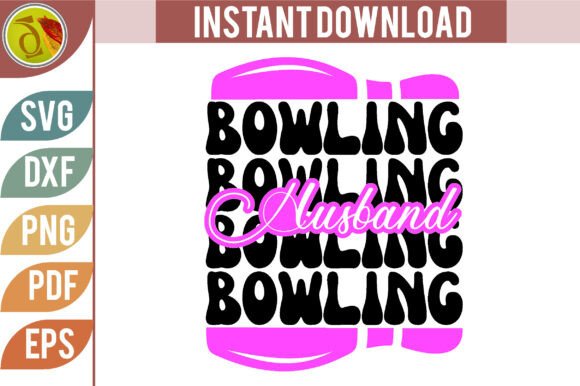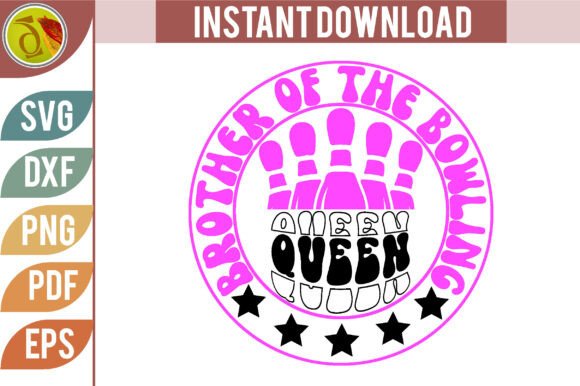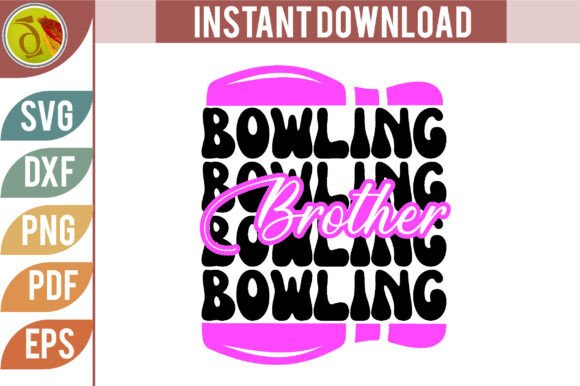
Bowling Uncle Bowling SVG Retro Review
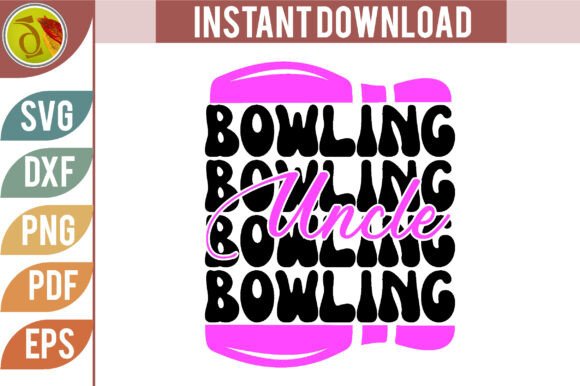
As a designer who spends more time than I care to admit tweaking stitch paths and debating thread color palettes, I don’t just look at an embroidery file; I visualize the finished product before I even load it into my machine. When I first pulled down the Bowling Uncle Bowling SVG Retro design, my immediate reaction was one of cautious optimism. The retro aesthetic is saturated in the market right now, so finding something that balances nostalgia with practical embroidery execution is rare. This isn't just another generic clip-art vector; it’s a machine embroidery design that demands a specific kind of approach to really shine.
The visual personality of this piece is distinct. It leans heavily into vintage Americana vibes, which immediately suggests a strong fit for custom apparel and lifestyle accessories. But how does it translate from screen to fabric? That is where the real review begins. I put this design through its paces, thinking about where it would live in a real-world scenario—specifically, a line of boutique merchandise for a local craft fair or an Etsy shop targeting hobbyists who love a good throwback theme.
First Impressions and Visual Mood
The Bowling Uncle Bowling SVG Retro design carries a playful yet slightly rugged charm. The typography and graphic elements suggest a casual, fun-loving character, perfect for someone who enjoys weekend leagues or just appreciates the sport. From a design standpoint, the layout feels balanced. It doesn’t scream for attention with overly complex flourishes but instead relies on clean lines and recognizable shapes. This is crucial for embroidery project success because simplicity often translates to higher stitch quality.
What stands out is the potential for layering. Since this is sold as a digital download containing word by layer SVG files, there is an inherent flexibility here that many designers appreciate. You aren’t locked into a single rigid composition. For instance, you might choose to isolate the bowling pin graphic for a small chest pocket placement while using the text for a larger back print. This modularity increases the value of the asset, making it a versatile tool for craft business owners who need to create variations without designing from scratch.
Real-World Application: The Tote Bag Scenario
To truly test this design, I imagined creating a custom embroidered tote bag for a client who wanted a unique gift for their uncle. A canvas tote is a classic choice for handmade products, but it presents challenges: the fabric can be thick, and the surface area requires a design that holds up under frequent use. I loaded the Bowling Uncle Bowling SVG Retro onto a heavy-duty cotton canvas.
The result was surprisingly sharp. The satin stitch edges held their shape well against the textured fabric, provided I used the correct stabilizer. The retro colors popped beautifully, especially when paired with contrasting thread choices. If you are an Etsy seller looking to expand your inventory, this design works exceptionally well for personalized gifts. Imagine adding a name above the graphic. The spacing allows for easy customization, which is a key driver for customer engagement in the handmade market.
However, it’s not just for totes. I also tested the concept on a sweatshirt. The sweatshirt embroidery market is huge, and this design’s bold lines cut through the fleece texture nicely. It gives off a relaxed, streetwear vibe that appeals to a broad demographic. For small shop product lines, pairing this with neutral-colored hoodies creates a professional, cohesive brand look that feels intentional rather than random.
Technical Considerations and Stitch Clarity
No design is perfect, and transparency is part of being a responsible reviewer. While the Bowling Uncle Bowling SVG Retro is strong overall, there are areas where you need to exercise judgment. The detail level, while appropriate for most uses, contains some smaller graphical elements that might get lost if you scale the design down too much. If you are working with a small hoop size, such as 4x4 inches, you must be careful not to overcrowd the frame. The individual stitches need room to breathe to maintain clarity.
Thread color contrast is another critical factor. On dark fabrics, light threads can sometimes disappear into the weave if the stitch density isn’t high enough. I recommend testing this design in black and white mockups before committing to production. This helps you see if the negative space works effectively. Additionally, pay close attention to the stitch density. If the design feels too dense on certain sections, consider reducing the number of passes or switching to a lighter fill stitch to prevent puckering, especially on thinner fabrics like jersey knits.
For those considering this for an embroidered patch, the outline stability is good, but you will likely need a sturdy backing stabilizer to keep the edges crisp. The design assets provided are clean, which makes digitizing or adjusting them easier, but always inspect the corners of the vectors. Tiny lettering or intricate details can become muddy if the resolution isn’t handled correctly during the conversion process.
Fabric and Surface Compatibility
This design shines on stable surfaces. Flat items like aprons, pillow covers, and kitchen towels are ideal candidates. The retro theme fits perfectly in a farmhouse-style kitchen decor context. However, curved surfaces like caps require a different approach. While possible, the distortion inherent in curving a flat design means you need to adjust the hooping technique carefully. Stretchy fabrics, such as athletic wear, demand extra caution. The tension settings must be precise to avoid loopiness or skipped stitches.
Also, consider the end-user experience. If this is a personalized gift for a baby item, ensure all threads are soft and securely anchored. The durability of the finished product depends heavily on proper stabilization and trimming. For commercial embroidery projects, consistency is key. Using the same thread colors and stabilizer methods across multiple units ensures that your brand consistency remains intact.
Strategic Advice for Sellers and Makers
If you are planning to sell finished goods made with this design, licensing is paramount. Always confirm whether the digital embroidery file license permits commercial use for physical items. Some creators allow unlimited sales, while others restrict quantities. Check the terms provided in your download folder before listing on Etsy or your own website.
From a marketing perspective, this design has high giftability. It resonates with niche communities, such as bowling enthusiasts or fans of retro aesthetics. Creating printable mockups that showcase the design on various products—like a tea towel, a cap, and a tote—can help buyers visualize the versatility. Highlighting the "retro" aspect in your listings can attract customers looking for nostalgic, heartfelt gifts for holidays or special occasions.
Finally, remember that practice makes perfect. Before investing in expensive materials, test the Bowling Uncle Bowling SVG Retro on scrap fabric. Adjust your thread colors to match your target audience’s preferences. Experiment with different fill stitch patterns to add texture and depth. By treating this design as a starting point for creative exploration rather than a rigid template, you can produce handmade products that feel unique and professionally crafted.
In conclusion, the Bowling Uncle Bowling SVG Retro is a solid addition to any designer’s library. It offers a blend of nostalgic charm and practical utility that works well across a variety of Crafts and Graphics applications. With careful attention to fabric choice, stabilization, and thread selection, it can elevate your embroidery project from a simple decoration to a standout piece of wearable art or home decor. Whether you are a seasoned pro or a hobbyist maker, this design provides a reliable foundation for creating memorable, high-quality finished products.